


 Deutsch
 English
 Español
 Français
 Nederlands
 Português


 Share





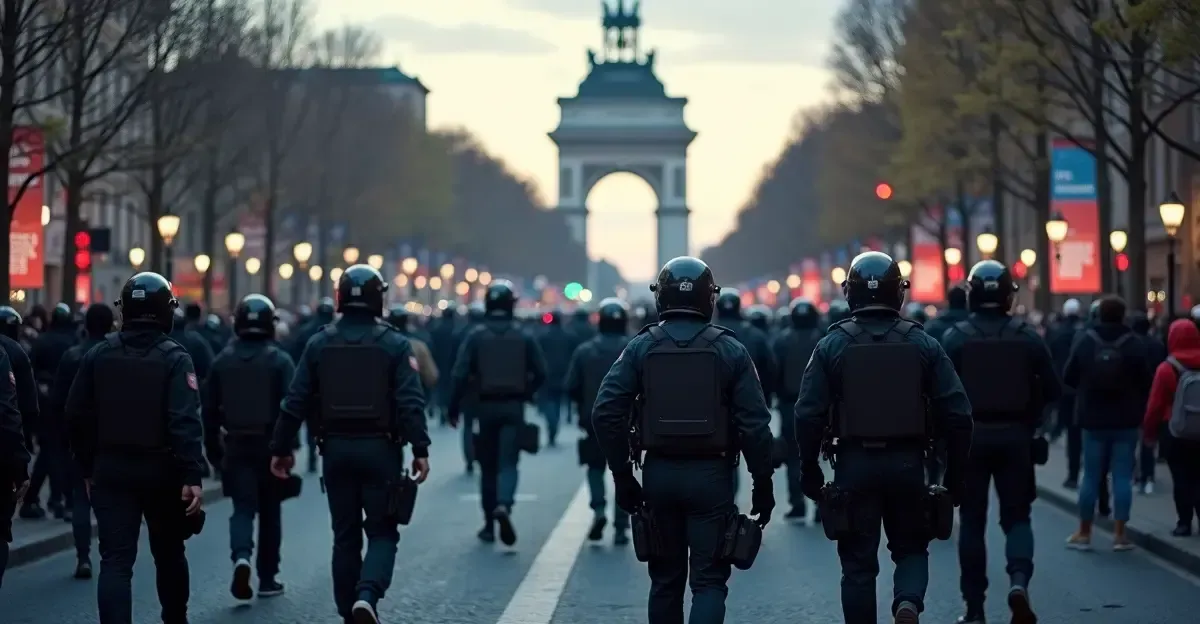
France's school and policing protests reached a boiling point on Saturday, 24 October 2026, as an estimated 400,000 people marched nationwide—unions claimed double that figure—and the interior ministry reported 1,314 arrests. The demonstrations, originally launched by high school students demanding more teachers and repairs to dilapidated buildings, have merged with a public-sector strike and wider anger over living costs, posing one of the sternest tests of public order in Emmanuel Macron's final months in office.
What sparked France's school and policing protests?
The unrest began in mid-September 2026 when students in Paris's northern suburbs blockaded schools over teacher shortages, overcrowded classes, crumbling buildings and stress linked to the Parcoursup university admissions system. It soon merged with a public-sector strike against the 2027 budget, which includes about €54 billion in cuts and tax measures, according to IBTimes Australia. Protesters also condemned heavy-handed policing and rising inequality. The current unrest echoes the yellow vests movement in its mix of economic and political grievances.
Scale of Saturday's marches and the arrest toll
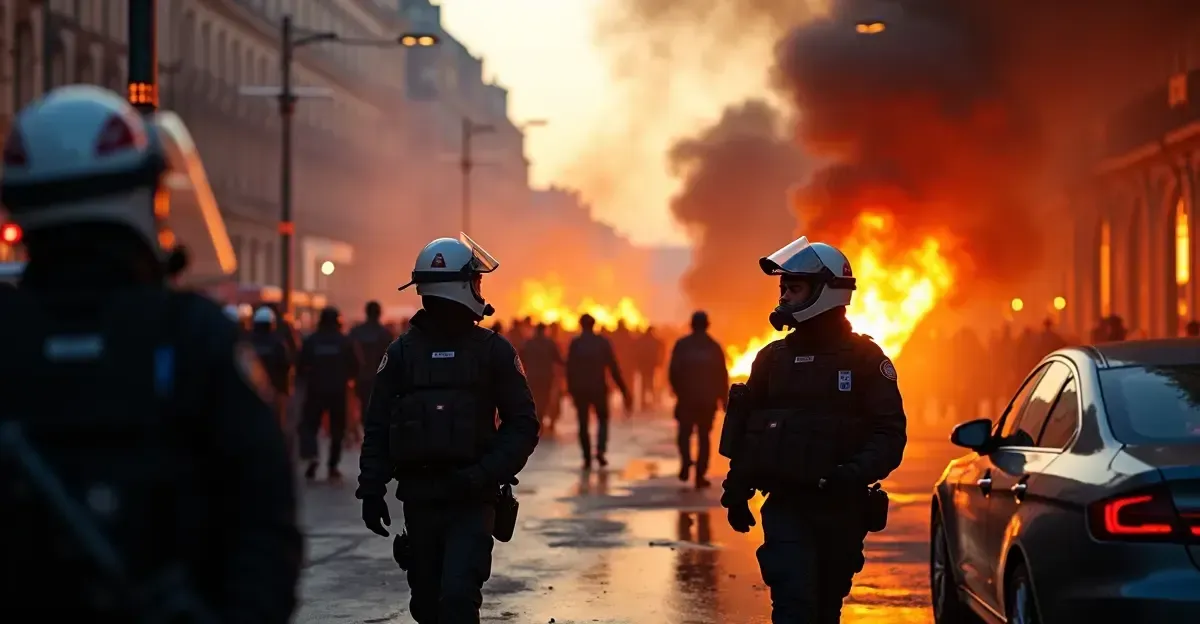
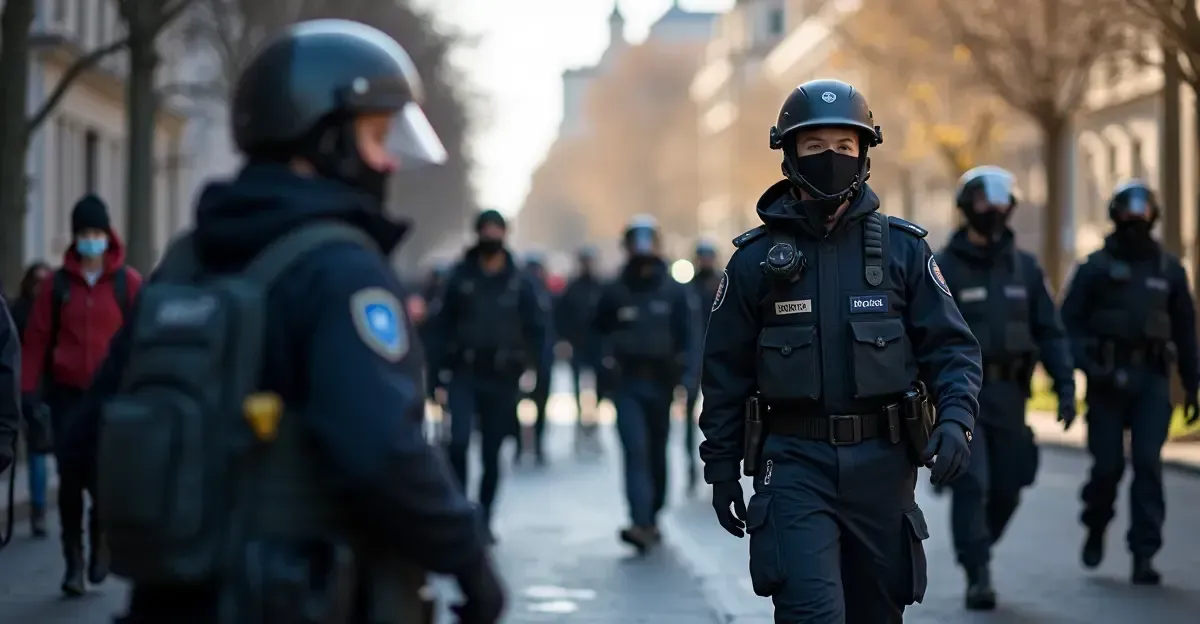
Government estimates put turnout at 400,000 across France, with 110,000 in Paris alone, while trade unions claimed roughly 800,000 people took part, the Guardian reported. Authorities deployed more than 70,000 police and gendarmes. The interior ministry said 1,314 people were arrested, 75 fires were set and 24 shops were looted. Most marches were peaceful, but masked groups clashed with riot police in Paris, Lyon, Lille, Montpellier, Nantes, Toulouse and Marseille.
How did police respond?
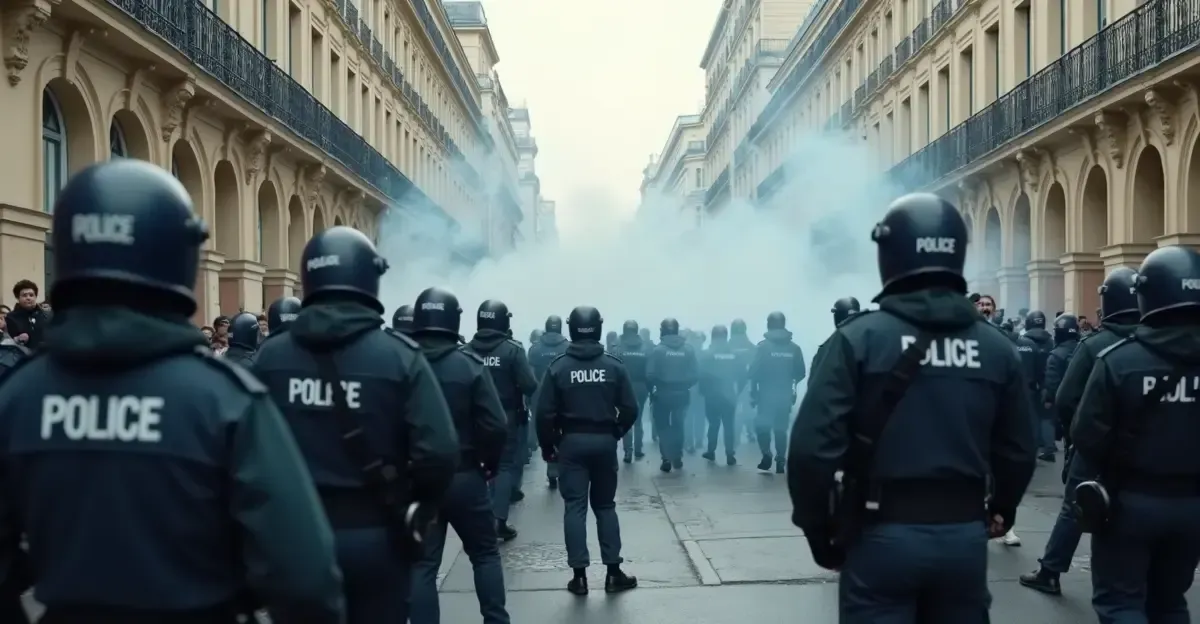
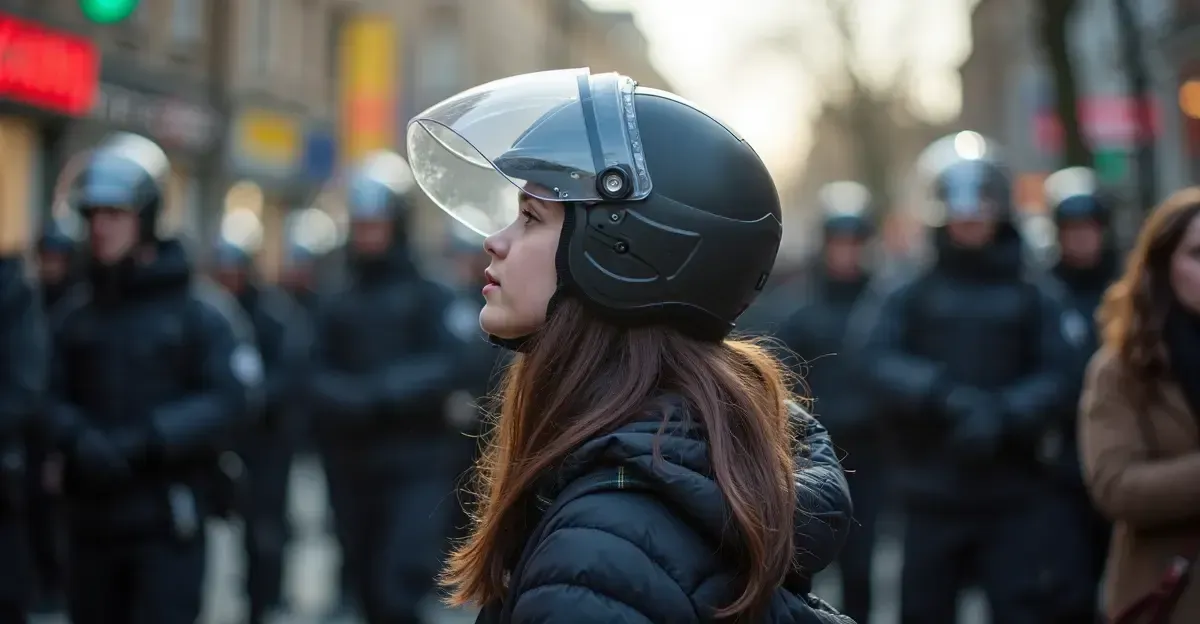
Police used teargas, water cannon and stun grenades to disperse crowds and stop protesters reaching some city centres. At least two people were seriously injured, and 53 officers were wounded. In Nice, 59 people were detained, including 11 suspected far-right militants. The heavy-handed response has drawn criticism from Amnesty International and Human Rights Watch, which cited injured children.
Policing under scrutiny: injuries and investigations
The protest crackdown has become a political crisis in its own right. According to the Independent, more than 8,000 people have been arrested in recent weeks, most of them under 18. At least 36 investigations into alleged police misconduct are open, including four cases involving 'mutilating injuries.' Interior Minister Laurent Nunez said crowd-control weapons had been used at least 18,000 times and suspended a launcher-fired grenade after a 15-year-old lost a hand. An officer was charged with aggravated violence over the partial blinding of a 16-year-old. Police unions report more than 900 officers and about 150 school staff wounded, and the French police union Alliance is suing the state over unsafe equipment and vague orders.
Political impact on Macron's final months
The unrest is clouding the final stretch of Macron's presidency before he leaves office in May 2027. Opposition leader Jean-Luc Mélenchon joined the Paris rally and warned that weekly protests would continue unless the government responds. The government has promised 3,000 substitute teachers, additional hiring and an overhaul of Parcoursup, but has not addressed class sizes—a central student demand. The 2027 French presidential election is now being fought against a backdrop of street mobilisation.
What happens next?
Student groups have vowed to keep protesting, and unions say talks have produced no agreement. The government's two-track strategy—heavy policing plus concessions on education and budget talks—has so far failed to calm the streets. Analysts note that continued disorder could further weaken Macron's centrist bloc and energise both the left and the French far-right National Rally ahead of the election.
FAQ: France school and policing protests
How many people marched in France on 24 October 2026?
Government estimates put turnout at 400,000, while unions claimed about 800,000. Paris alone saw 110,000 demonstrators.
Why are French students protesting?
Students are demanding more teachers, smaller class sizes, repairs to crumbling school buildings and changes to the Parcoursup university admissions system.
How many people were arrested?
The interior ministry reported 1,314 arrests on Saturday, and more than 8,000 arrests in the weeks since the unrest began.
What police tactics were used?
Police deployed teargas, water cannon and stun grenades. Crowd-control weapons have been used at least 18,000 times in recent weeks, and several investigations into alleged misconduct are open.
Is Macron's government negotiating?
Yes, the government has offered 3,000 substitute teachers, extra hiring and a Parcoursup overhaul, but unions say talks have stalled because class-size demands remain unaddressed.
Conclusion
Saturday's marches and the 1,314 arrests show that France's school and policing protests have evolved into a nationwide movement with the capacity to challenge public order and define the final months of Macron's presidency. With no agreement in sight and weekly demonstrations planned, the crisis is unlikely to fade before the 2027 election.
Follow Discussion